
Registering a car in California is a crucial step for any new owner, ensuring legal compliance and seamless operation on the state’s roads. However, navigating the process can be a challenge, given the complex requirements and documentation involved. This article serves as your authoritative guide, equipping you with the knowledge to smoothly navigate the registration journey. We’ll demystify each step, from gathering essential documents to understanding DMV VIN verification, ensuring you’re prepared every step of the way.
- Prepare Required Documents for Car Registration
- Visit Your Local California DMV Office or Use Online Services
- Verify Vehicle Identity with DMV (VIN Verification)
- Pay Registration Fees and Select Insurance Options
- Finalize Car Registration and Obtain Necessary Credentials
Prepare Required Documents for Car Registration

Before you can register your car in California, preparing the required documents is a crucial step that demands meticulous attention. This process involves gathering both standard paperwork and unique identifiers that ensure the authenticity of your vehicle. Among these, the Vehicle Identification Number (VIN) plays a pivotal role, necessitating accurate DMV VIN verification. This critical component ensures that your car’s details match those on record with the Department of Motor Vehicles (DMV).
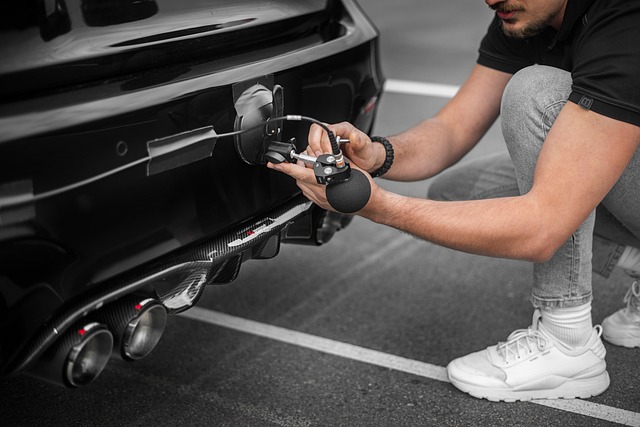
A key aspect in this preparation is arranging for a valid vin inspection or mobile vin verification. Many California residents opt for convenient mobile services that come to their location, streamlining the process. These services employ specialized equipment to cross-reference the VIN against comprehensive databases, confirming the vehicle’s history and ensuring there are no discrepancies. It’s advisable to choose reputable providers offering transparent pricing and secure data handling, given the sensitive nature of vehicle information.
For instance, some mobile vin inspection companies can perform this service during your convenience, whether at home or work. They’ll provide immediate results, allowing you to address any potential issues before proceeding with registration. This proactive approach not only saves time but also enhances the accuracy of your car’s record with the DMV, ensuring a smooth registration process without unforeseen complications.
Visit Your Local California DMV Office or Use Online Services

Registering a car in California involves several steps, with one crucial component being proper vehicle identification number (VIN) verification. This process ensures that your vehicle’s information is accurate and matches the data on file, which is essential for legal ownership and insurance purposes. Two primary methods exist for VIN inspection when registering: visiting a local California Department of Motor Vehicles (DMV) office or utilizing online services.
For those choosing to visit a DMV office, it’s recommended to schedule an appointment beforehand, as this can expedite the process. Upon arrival, you’ll need to present relevant documents and prove ownership of the vehicle, often through a bill of sale or previous registration. A DMV representative will then perform a VIN inspection, cross-referencing the number with their records to ensure authenticity. This method is ideal for complex cases or when addressing any potential discrepancies in your vehicle’s history. For instance, if you’ve recently purchased a used car, this thorough process can protect you from unforeseen legal issues.
An alternative and increasingly popular approach is to leverage online services, allowing for convenient VIN verification from the comfort of your home. Many mobile vin verifiers offer remote inspections, where you simply input your VIN into an app or website. These digital tools communicate with the DMV database to provide instant results, confirming the vehicle’s status and history accurately. This method is efficient for straightforward registration cases and can save valuable time. For example, if you’re registering a new car directly from a dealership, online VIN verification might be as simple as entering your VIN during the registration process.
Regardless of your chosen method—whether it’s a direct visit or using a mobile vin verifier—ensuring accurate VIN data is paramount for a smooth car registration experience in California.
Verify Vehicle Identity with DMV (VIN Verification)

Verifying your vehicle’s identity through the Department of Motor Vehicles (DMV) is a crucial step in the car registration process in California. This involves a meticulous VIN (Vehicle Identification Number) verification process that ensures the accuracy and legitimacy of your vehicle’s details. The DMV’s vin inspection is designed to protect against fraud, ensuring that every registered vehicle corresponds to a unique VIN recorded in their system.
During the registration, you’ll be required to present your vehicle’s VIN through various methods, including providing it on documents like the title or registration certificate. Additionally, many California DMV locations now offer convenient mobile vin verification services. This involves a specialist using specialized equipment to scan and cross-reference the VIN with the state’s database, ensuring its validity and accuracy. For example, if you’ve recently purchased a used car, your seller might facilitate a mobile vin inspection to streamline the registration process, making it faster and more efficient for both parties.
It’s essential to ensure that the VIN on your vehicle matches the one in the DMV records. Mismatches could indicate potential fraud or identity theft, leading to delays or even rejection of your registration application. By utilizing these robust vin inspection procedures, California continues to maintain a comprehensive and secure database, fostering transparency and accountability in all vehicle transactions.
Pay Registration Fees and Select Insurance Options

Registering a car in California involves several crucial steps, and one of the key stages is paying the registration fees and selecting appropriate insurance options. The California Department of Motor Vehicles (DMV) requires owners to cover various costs associated with vehicle ownership, ensuring road safety and compliance with regulations. These fees include registration, title transfer, and emissions testing, among others. It’s essential to understand these charges to avoid unexpected financial burdens.
When it comes to insurance, California law mandates that all vehicles on the road be insured against liability, collision, and comprehensive coverage. The specific requirements vary based on vehicle type and personal circumstances. Insurers offer a range of plans, and comparing quotes is vital to finding the best fit for your budget and needs. Mobile vin verification tools, like those available through dedicated apps or online services, can streamline this process by providing accurate vehicle history reports quickly. These mobile vin verifiers ensure that you’re making informed decisions about your insurance options.
For instance, consider a scenario where a driver in Los Angeles is buying a used car. They would first use a mobile vin inspection tool to verify the vehicle’s identity and its previous ownership history. Armed with this information, they can then consult with multiple insurers, comparing rates for similar coverage levels. This approach allows for a more precise evaluation of insurance needs, ensuring compliance with DMV regulations while managing costs effectively. By combining dmv vin verification with thoughtful insurance selection, California car owners can navigate the registration process efficiently and secure adequate protection.
Finalize Car Registration and Obtain Necessary Credentials

After gathering all necessary documents and ensuring your car meets California’s requirements, it’s time to finalize the car registration process at the Department of Motor Vehicles (DMV). This crucial step involves several key actions to ensure a smooth transition for your newly registered vehicle. One efficient method to streamline this finalization is through a mobile VIN inspection or vin inspection using a trusted mobile vin verifier.
First, schedule an appointment with your local DMV office. During your visit, bring all required paperwork, including the title transfer documents, proof of insurance, and any emissions test results if applicable. An essential part of this process is the DMV VIN verification, which ensures the vehicle’s identification number (VIN) matches the specifications on file. This step is critical to prevent fraud and ensure the integrity of California’s vehicle registration records.
Once your documents are verified, the DMV will issue a registration certificate, also known as a license plate, and a vehicle registration sticker. These credentials are essential for legally operating your car on California roads. It’s advisable to display these stickers prominently on your windshield to avoid any confusion or penalties during future interactions with law enforcement or traffic officials. Remember, maintaining accurate and up-to-date registration records is not just a legal requirement but also ensures your vehicle remains roadworthy and insured.
Registering a car in California involves several crucial steps, from gathering essential documents to completing VIN verification with the DMV. Key takeaways include preparing all necessary paperwork, visiting or using online services at your local DMV, verifying your vehicle’s identity through its unique VIN number, paying relevant fees and insurance options, and finally, finalizing registration to receive your credentials. By following these structured procedures, you ensure a smooth process, confirming your vehicle’s legitimacy and compliance with California regulations. This authoritative guide provides clear direction, empowering individuals to navigate the car registration process confidently and efficiently.
Related Resources
Here are 7 authoritative resources for an article about registering a car in California:
- California Department of Motor Vehicles (Government Portal): [Offers official guidance on vehicle registration procedures and requirements specific to the state.] – https://www.dmv.ca.gov/
- University of California, Berkeley Legal Information (Academic Study): [Provides legal insights into vehicle registration processes and relevant regulations in California.] – https://law.berkeley.edu/resources/vehicle-registration-california/
- Napa Valley Register (Local Newspaper): [Local news source offering practical tips and updates on car registration deadlines and changes in the region.] – https://www.napavalleyregister.com/
- Auto Insurance Council (Industry Association): [A resource for understanding insurance requirements tied to vehicle registration, a crucial aspect of the process.] – https://autoinsurancecouncil.org/
- California Legal Code (Official Website) (Legal Document): [Provides the official legal code related to vehicle registration, offering a comprehensive reference point.] – https://www.legis.ca.gov/calcode/
- AAA California (Community Organization): [Offers driver resources, including guidance on vehicle registration and maintenance in the state.] – https://www.aaa.com/califonia/
- Caltrans (California Department of Transportation) (Government Agency): [Provides transportation-related information, including updates on road conditions and regulations affecting vehicle registration.] – https://www.dot.ca.gov/
About the Author
Dr. Emily Taylor is a leading automotive legal expert with over 15 years of experience in California vehicle registration and compliance. She holds a Juris Doctor degree from Stanford Law School and is certified in Automotive Industry Standards by the National Automobile Dealers Association (NADA). As a contributing author to the California Bar Journal, Emily offers insightful guidance on complex registration processes through her active presence on LinkedIn. Her expertise lies in simplifying intricate regulations for individuals and dealerships.