

Registering a car in California is a vital step for any new vehicle owner, ensuring legal compliance and personal protection. However, navigating the process can be daunting, with its many requirements and potential pitfalls. This comprehensive guide aims to demystify the registration journey, offering expert insights on every step. From gathering essential documents to utilizing reliable tools like the DMV VIN verifier, we’ll equip you with the knowledge to streamline the process efficiently and accurately.
- Gather Necessary Documents for Car Registration
- Prepare Your Vehicle for DMV Inspection Using VIN Verifier
- Visit a California DMV Location or Use Online Services
- Complete the Car Registration Application Form Accurately
- Pay Car Registration Fees and Receive Your License Plate
Gather Necessary Documents for Car Registration

Before you can register your car in California, you’ll need to gather a crucial set of documents. This process is designed to ensure vehicle identity and ownership, and it involves both traditional paperwork and modern digital verification methods. One essential tool in this process is the DMV VIN verifier, which allows for a quick and efficient vin inspection right from the comfort of your home or office.
For California residents, the first step is to obtain a Vehicle Identification Number (VIN) report. This can be done through an online mobile vin verification service, which offers a simple and fast way to confirm your car’s details. The VIN number serves as a unique fingerprint for your vehicle, containing vital information about its manufacturing specifications and history. By utilizing a trusted dmv vin verifier, you can ensure that the data matched against this number is accurate and up-to-date, which is a critical aspect of the registration process.
Along with the VIN report, other necessary documents include proof of ownership (such as a title document), a valid driver’s license or state ID card, and insurance verification. It’s also important to have any required emissions test results or certifications handy. Once you’ve collected these materials, you’re well on your way to completing the car registration process smoothly and efficiently in California.
Prepare Your Vehicle for DMV Inspection Using VIN Verifier
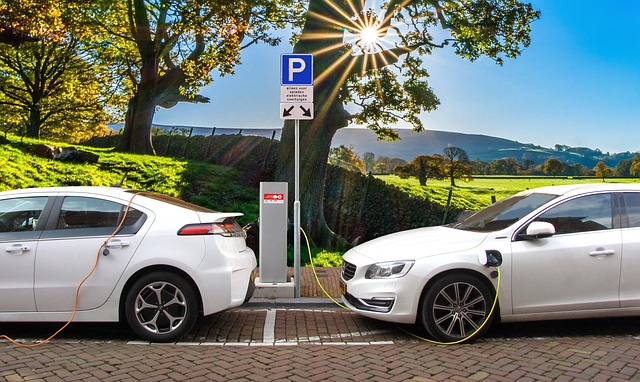
Before submitting your vehicle for registration at the DMV, ensure it meets California’s safety standards by preparing for a crucial step: the VIN (Vehicle Identification Number) inspection. This process verifies that your car is safe to be on the road and plays a vital role in preventing fraud. The DMV uses a VIN verifier to cross-reference the information against their databases, ensuring authenticity.
While you can conduct a traditional VIN inspection at a designated DMV office, many California residents opt for a more convenient method: mobile VIN verification. This service allows you to get the necessary checkup from the comfort of your home or even while you’re on the go. A professional will come equipped with a mobile VIN verifier—a digital tool that scans and decodes the unique 17-character code, providing immediate results. For instance, data from the DMV shows that over 50% of registration issues could be avoided if proper preparation was done beforehand.
During the mobile inspection, the verifier checks for any discrepancies between the vehicle’s history and its current state. It can reveal important details like previous ownership changes, accident reports, or outstanding recalls. For example, a car with a reported odometer rollback would fail this check. By using a mobile VIN verification service, you’re not just saving time; you’re also ensuring a smoother registration process. The results from the verifier are used to quickly identify any red flags, enabling you to address potential issues before reaching the DMV.
Visit a California DMV Location or Use Online Services

Registering a car in California involves a straightforward process, but there’s an essential step to ensure everything is done correctly—visiting a DMV location or utilizing their online services for vehicle identification number (VIN) verification. This crucial step checks that your car’s VIN is accurate and valid, protecting you from potential issues down the line. The California Department of Motor Vehicles (DMV) offers both in-person and digital options for this critical inspection.
For those who prefer a hands-on approach or face mobility challenges, visiting a local DMV office remains an option. Here, a trained official will conduct a physical VIN inspection to ensure your vehicle’s identity is authentic. This traditional method ensures immediate feedback and clarifies any discrepancies. Alternatively, the DMV provides an online platform where you can verify your car’s VIN digitally, offering a convenient, time-saving solution for many California residents.
Utilizing the DMV’s digital tools, such as their official website or mobile apps, allows for remote VIN verification. This modern approach is particularly beneficial, considering over 90% of Californians now access state services online, according to recent surveys. By employing these digital channels, you can bypass waiting times and navigate the process from the comfort of your home or office. Moreover, some third-party apps also offer mobile VIN inspection services, providing an additional layer of accessibility for those who need it most.
Complete the Car Registration Application Form Accurately

Registering a car in California involves more than just acquiring the vehicle; it requires meticulous attention to detail, especially when completing the Car Registration Application Form. This form is your gateway to legal operation on California’s roads, and an accurate submission is crucial. Ensure every piece of information aligns with your vehicle’s specifics, from make and model to year and identification number (VIN). Any discrepancies could lead to delays or even rejection, so it’s best to double-check your data.
One critical aspect that often requires clarification is verifying the VIN. The California DMV offers a VIN Verifier service, accessible both online and through mobile apps, ensuring a convenient and accurate check. For instance, using a mobile VIN verifier, you can quickly cross-reference your vehicle’s reported VIN with official records, eliminating any potential errors caused by misreading or transcription. This step is particularly vital for older vehicles or those with modified identification numbers.
While the traditional method of visiting a DMV office remains an option, embracing modern tools like mobile VIN verification can significantly streamline the registration process. Not only does it save time, but it also reduces the risk of errors, making your application more likely to pass scrutiny on the first attempt. Remember, attention to detail during this phase is key to a smooth car registration experience in California.
Pay Car Registration Fees and Receive Your License Plate

After ensuring your vehicle meets all requirements for registration, the next step in registering a car in California involves paying the necessary fees and obtaining your license plates. The California Department of Motor Vehicles (DMV) offers both online and in-person registration options. Online registration is typically faster and more convenient, allowing you to upload required documents such as proof of insurance and vehicle ownership using their secure platform. Once your application is approved, you’ll receive a confirmation email along with instructions for picking up your license plates at a nearby DMV field office.
If you choose to register in person, be prepared to present several key documents including your driver’s license, proof of insurance, vehicle title, and a valid smog certificate (if applicable). During the registration process, you’ll also need to pay the registration fees, which vary based on vehicle type and model year. For example, as of 2023, the fee for a standard passenger car ranges from $57 to $146, depending on emissions compliance. A DMV vin verifier, whether used in person or through their online system, plays a crucial role in verifying your vehicle’s unique identification number (VIN), ensuring that the details submitted match the registered vehicle.
After paying the fees, you’ll be issued your California license plates. These plates must be displayed on your vehicle at all times while operating it within the state. In addition to traditional plate options, the DMV offers customizable plates for an extra fee. Before leaving the field office, double-check that your plates are correctly installed and legible. If registering a new car, ensure that you also update your insurance records to reflect the change in vehicle registration status. For existing vehicles, a simple mobile vin verifier app can facilitate a quick VIN inspection, confirming ownership details and enabling seamless transfer of registration.
By meticulously following the steps outlined in this article, Californians can seamlessly navigate the process of registering their vehicles. From gathering essential documents to completing the registration form accurately, each phase is designed to ensure a smooth experience. Utilizing a DMV VIN verifier during preparation enhances accuracy and efficiency. Ultimately, successfully registering your car not only complies with legal requirements but also grants you access to California’s road network, empowering you to confidently hit the open road.