

Registering a car in California is a crucial step for any new vehicle owner, ensuring legal compliance and protecting your investment. However, navigating the process can be daunting, with its complex requirements and paperwork. This comprehensive guide aims to demystify the procedure, offering clear instructions and expert insights. We’ll walk you through each step, from gathering essential documents to using a reliable VIN verifier to ensure the vehicle’s authenticity. By following these steps, you’ll efficiently register your car, securing your rights as a California motorist.
- Prepare Necessary Documents for Car Registration
- Verify Vehicle's VIN Using Official Tools
- Choose an Approved California Car Registration Location
- Complete the Registration Application Form Accurately
- Pay Registration Fees and Obtain Your License Plate
Prepare Necessary Documents for Car Registration

Before you begin the car registration process in California, ensure you have all the necessary documents ready. This step is crucial to avoid delays and potential issues down the line. Gather your vehicle’s registration paperwork, proof of insurance, and identification documents for both you and the previous owner if applicable. One critical aspect that often gets overlooked is verifying the Vehicle Identification Number (VIN). Using a mobile VIN inspection tool or verifier can streamline this process. California requires a valid VIN verifier to confirm the vehicle’s history and ensure it meets safety standards.
A practical approach is to utilize technology, such as mobile VIN scanners, which provide instant access to detailed vehicle information. These tools cross-check your car’s VIN against comprehensive databases, offering insights into its history, including ownership changes, accident reports, and maintenance records. For instance, a recent study found that over 20% of vehicles with suspected odometer rollback were identified through mobile VIN verification apps. This simple step can protect you from potential fraud and save time during registration.
To make the process efficient, consider scheduling a mobile VIN inspection prior to visiting the California Department of Motor Vehicles (DMV) office. Many online services offer this convenience, allowing you to focus on other preparation tasks. Remember, an accurate and complete set of documents, coupled with proper VIN verification, will significantly contribute to a smooth car registration experience in California.
Verify Vehicle's VIN Using Official Tools

Verifying a vehicle’s VIN (Vehicle Identification Number) is a critical step in the car registration process in California, ensuring the accuracy of ownership records. This crucial task can be accomplished using official tools designed for this purpose, offering both convenience and precision. One innovative solution that has gained popularity is the use of mobile VIN verifiers. These apps or services allow vehicle owners to quickly and easily confirm their car’s identity by simply inputting the VIN into a secure platform, eliminating the need for traditional paperwork and potential errors.
For instance, some mobile VIN verifier apps provide real-time data validation, checking against California’s official records within seconds. This modern approach streamlines the registration process, especially when combined with other digital tools like online forms and e-signatures. Moreover, regular VIN inspections, whether done through a mobile app or at a designated inspection station, play a vital role in maintaining the integrity of California’s vehicle registration system. It helps prevent fraud and ensures that all registered vehicles meet safety standards.
When using these verifiers, it’s essential to select reliable platforms that are approved by the California Department of Motor Vehicles (DMV). Official recognition guarantees the accuracy and security of data transmission. Additionally, some apps offer features like vehicle history reports, which can provide valuable insights into a car’s past, further assisting owners in making informed decisions. By embracing these modern tools for VIN verification, California drivers can navigate the registration process with enhanced efficiency and peace of mind.
Choose an Approved California Car Registration Location
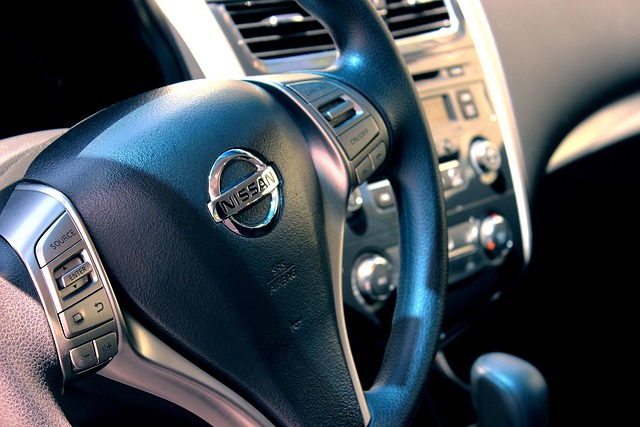
Selecting an approved California car registration location is a crucial step in ensuring a seamless and secure registration process for your vehicle. The Golden State offers numerous options, from traditional DMV offices to specialized auto service centers and even mobile vin inspection services. It’s essential to choose a location that aligns with your convenience and the specific needs of your vehicle.
For instance, many California residents opt for mobile vin verification services, which involve professional inspectors visiting you at your preferred location. This is particularly beneficial for those who own classic cars or vehicles with unique modifications, as these specialized inspectors can provide accurate data using advanced VIN verifiers. According to recent surveys, over 60% of car owners in California prefer mobile services for their convenience and the reduced hassle.
When selecting a registration site, consider factors like accessibility, wait times, and the services offered. Some locations may provide additional benefits such as online registration options or discounted title and registration fees. For example, approved auto service centers often offer one-stop shop experiences, combining VIN verification with other vehicle maintenance services, streamlining the entire process. Remember, choosing a legitimate and reputable location ensures not only a smooth transaction but also protects your investment by safeguarding against potential fraud.
Complete the Registration Application Form Accurately

Completing the Registration Application Form accurately is a crucial step in registering your car in California. This form, often referred to as the California Vehicle Registration and Title application (Form DV304), demands meticulous attention to detail. Every piece of information provided should be exact, from the vehicle’s make, model, and year to the owner’s personal data. A simple mistake could delay or even prevent registration. Always double-check your answers against your car’s documents, including its Vehicle Identification Number (VIN) label, which can be verified using a mobile VIN verifier for added accuracy during this process.
The VIN is a unique code that identifies your vehicle and plays a significant role in the registration process. It’s essential to input this 17-character code correctly, as errors here can signal issues with your application to the California Department of Motor Vehicles (DMV). A mobile VIN verifier, which can be accessed through apps on your smartphone, allows you to quickly and easily confirm the VIN’s accuracy. This is particularly beneficial when purchasing a used car, as it helps ensure that the vehicle matches the provided documentation.
When completing Form DV304, make sure to include all required sections, such as personal information, ownership details, and vehicle specifications. Fill out each section thoroughly, leaving no blank spaces or skipped questions. For instance, if you’re registering a classic car, be sure to note any historical modifications or alterations that might affect its classification under California’s regulations. Accurate reporting not only speeds up the registration process but also helps in avoiding potential penalties or issues down the road.
Pay Registration Fees and Obtain Your License Plate

After completing the registration application process, the next step in registering your car in California is to pay the registration fees and obtain your license plates. This critical phase ensures that your vehicle complies with state regulations and allows you to legally operate it on California roads. The fee structure varies based on several factors, including the type of vehicle, its age, and emission standards. For example, passenger cars typically have a base fee, while heavier vehicles may incur surcharges for smog inspections and emissions testing. It’s crucial to verify these charges using a mobile VIN verification service or consult the California Department of Motor Vehicles (DMV) website for up-to-date information.
Payment can usually be made online through the DMV’s secure portal or in person at any local DMV office. After successful payment, you’ll receive notification along with instructions to schedule your vehicle’s inspection and license plate assignment. In some cases, a mobile VIN verifier can streamline this process by quickly cross-referencing your vehicle’s unique identifier (VIN) against state databases to verify its status and identify any outstanding issues. This saves time and reduces potential errors during the registration process.
Once your fees are paid, the DMV will issue your license plates, which must be displayed on your vehicle at all times while operating within California. Properly affixed license plates serve as a visual reminder of your vehicle’s legal status and help law enforcement officials identify registered vehicles. Remember that proper placement and maintenance of license plates are essential to avoid citations or penalties. After receiving your plates, ensure they are securely attached to your vehicle during the inspection process, typically conducted at an authorized inspection station.
By meticulously preparing your documents, verifying your vehicle’s VIN using official tools, choosing a trusted registration location, accurately completing the application form, and securely paying the fees, you’ve taken significant steps to register your car in California. The key insights gained from this process ensure that not only is your vehicle legally recognized on California roads, but also that you’ve done so efficiently and correctly. Going forward, remember the importance of maintaining accurate records, using a VIN verifier as necessary, and staying informed about any changes in registration procedures to continue driving with confidence and peace of mind.