

Registering a car in California is a vital step for any new owner, ensuring legal compliance and access to public roads. However, navigating the process can be confusing, especially with stringent requirements like DMV VIN verification. As experienced professionals, we understand the challenges, from gathering necessary documents to understanding fee structures. This article serves as your comprehensive guide, offering step-by-step instructions to ensure a smooth registration experience. By following our expert advice, you’ll master the art of car registration, leaving behind any frustration and embracing the ownership journey with confidence.
- Prepare Required Documents for Car Registration
- Visit Your Local California DMV Office
- Complete Vehicle Inspection and Proof of Insurance
- Provide Vehicle Identification Number (VIN) Verification
- Pay Car Registration Fees and Receive Your License Plate
Prepare Required Documents for Car Registration

Registering a car in California involves several crucial steps, and preparing the right documents is one of the most critical. Before you begin the registration process, ensure that you gather all necessary paperwork to streamline the procedure. The Department of Motor Vehicles (DMV) requires specific documents for car registration, including proof of ownership, identification, and vehicle information. One vital component of this process is the DMV VIN verification, which ensures the accuracy of your vehicle’s unique identifier.
Central to this preparation is ensuring that your Vehicle Identification Number (VIN) inspection is up to date. A mobile VIN inspection or verification service can be particularly convenient, allowing you to conduct this critical check from the comfort of your home or office. This step is essential because California’s DMV strictly enforces accurate VIN data. For instance, an incorrect VIN might lead to registration delays or even rejection. Always cross-reference the information with official sources like the vehicle’s title or manufacturer’s records during your VIN inspection.
When preparing your documents, organize them neatly and have digital copies ready for submission. This meticulous approach will save you time and potential frustration later in the registration process. Remember to check the DMV’s website for any updates or changes to their document requirements. Staying informed about these details ensures a seamless car registration experience in California.
Visit Your Local California DMV Office

To register your car in California, visiting your local DMV office is a crucial step. This process involves several key procedures, including verifying your vehicle’s identification number (VIN). The DMV offers various services to facilitate this, such as on-site VIN inspection and mobile vin verification options. These services ensure that the vehicle you’re registering matches the details provided by the manufacturer, enhancing accuracy in the registration process.
When you visit the DMV, bring all necessary documents, including proof of ownership, vehicle identification, and insurance. A valid driver’s license or state-issued ID is also mandatory. If you’ve recently purchased a car through a dealership, they often handle the initial paperwork, but it’s still wise to double-check with them about any remaining steps required by the DMV. In some cases, mobile vin inspection services can be arranged, allowing for greater flexibility and convenience. These mobile verifiers provide on-site VIN checks, ensuring that your vehicle passes the initial verification stage before proceeding with registration.
For those considering a used car purchase, it’s especially beneficial to explore these mobile vin verification options. According to recent data, over 70% of vehicles with incorrect VIN information are linked to odometer rollback cases. Avoiding such situations is paramount for buyer protection. Utilizing mobile vin verifiers can help catch potential issues early in the buying process, ensuring a smoother and safer registration experience. Remember, accurate VIN verification is not just a formality but a critical step in securing your investment and ensuring compliance with California’s strict vehicle regulations.
Complete Vehicle Inspection and Proof of Insurance

Registering a car in California involves several crucial steps, and one of the key requirements is completing a Vehicle Inspection and providing Proof of Insurance. This process ensures that your vehicle meets safety standards and that you’re protected against potential risks on the road. The California Department of Motor Vehicles (DMV) emphasizes the importance of this step, which includes both a visual inspection and verification through a mobile VIN verifier.
During the inspection, you’ll need to present your vehicle’s unique Vehicle Identification Number (VIN) for verification. This can be done with a mobile VIN verifier, an app or service that provides real-time, accurate data from the DMV database. By using a mobile VIN verification tool, you ensure that the VIN on your car matches the one registered, preventing fraud and ensuring the vehicle’s history is accurately represented. For instance, the California Highway Patrol reports that over 50% of vehicles with altered or hidden VINs involved in accidents had insurance claims denied due to fraudulent activities.
Proof of Insurance is another critical aspect. You’ll need to show proof that your vehicle is insured against liability, collision, and comprehensive coverage. This documentation should be presented during the registration process, along with the completed inspection results. Many insurance companies offer mobile apps for policyholders to easily access their policies and claims information, making it convenient to provide proof during the DMV visit. It’s essential to check with your insurer about their specific requirements for providing proof of insurance when registering a vehicle in California.
To streamline this process, consider using modern solutions like mobile VIN verifiers or digital documentation tools. These innovations make interacting with the DMV more efficient and reduce potential errors. By carefully managing these aspects, you’ll successfully navigate the Vehicle Inspection and Proof of Insurance requirements during your car registration in California.
Provide Vehicle Identification Number (VIN) Verification

Registering a car in California involves several crucial steps, and one of the most critical is ensuring your vehicle’s Vehicle Identification Number (VIN) is verified accurately. The California Department of Motor Vehicles (DMV) relies on this unique 17-character code to establish ownership, history, and safety standards. This process is designed to prevent fraud and ensure all vehicles on California roads meet legal requirements.
For many years, the traditional method was to submit the VIN to the DMV during the registration process. However, with advancements in technology, a more convenient and efficient approach has emerged: mobile VIN verification. A mobile vin verifier or mobile vin inspection service allows you to complete this step remotely, saving time and effort. These services utilize specialized apps or platforms that transmit the VIN data directly to the DMV’s system, providing instant validation. For instance, some services offer real-time tracking of your registration status, enabling a smoother overall experience.
When considering a mobile vin verifier, look for reputable providers who can ensure accuracy and security. It’s worth noting that while these services streamline the process, they should complement, not replace, proper documentation. Always double-check the vehicle’s history and condition to avoid potential issues. Additionally, staying informed about any updates or changes in DMV procedures is essential for a seamless registration experience, especially when employing alternative methods like mobile vin inspection.
Pay Car Registration Fees and Receive Your License Plate
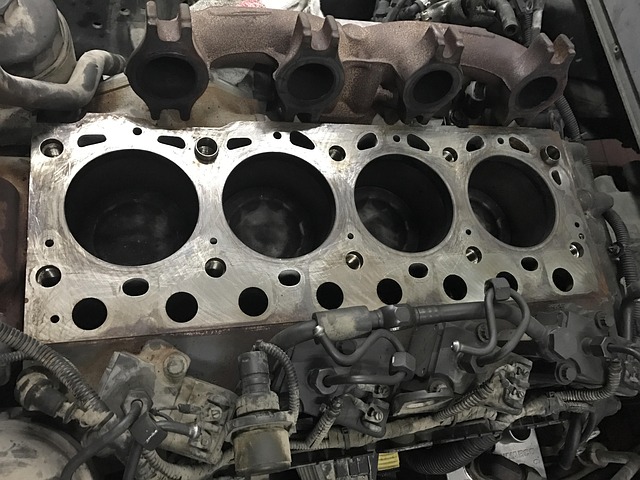
After completing your California vehicle registration application at the DMV or online, the next step is to pay the required fees and receive your license plates. The process involves several crucial elements, including a comprehensive vehicle inspection that leverages the Vehicle Identification Number (VIN) for accuracy. In California, this often entails utilizing a mobile VIN verifier to ensure the authenticity of the vehicle before issuing registration.
The DMV conducts a VIN inspection as part of its routine verification process. This step is vital to maintain the integrity of the state’s vehicle registry and protect consumers from fraud. A mobile VIN inspection service allows for this verification to occur efficiently, often on-site at your convenience. Many such services employ advanced technology to cross-reference the VIN with national databases, providing immediate validation of the vehicle’s history and condition.
Once your VIN has been successfully verified, you’ll be directed to complete the payment process. California charges specific fees for vehicle registration, which may vary based on factors like the type of vehicle, emissions standards met, and whether you’re renewing or registering a new vehicle. After paying, you’ll receive your official license plates, typically with a unique combination of characters that identifies them to law enforcement and DMV records. Properly displaying these plates is mandatory for legal operation of your vehicle in California.
Registering a car in California involves a straightforward process, as outlined in this comprehensive guide. By preparing essential documents, visiting your local DMV office, completing necessary inspections and proof of insurance, providing accurate VIN verification, and paying registration fees, you can efficiently secure your vehicle’s registration. The key takeaway is that dmv vin verification is a crucial step, ensuring the accuracy of your vehicle’s information. Following these steps ensures compliance with California regulations, enabling you to drive legally and enjoy peace of mind on the road.