

Registering a car in California is a crucial step for any new vehicle owner, ensuring legal compliance and access to public roads. However, navigating the process can be daunting, with its many requirements and potential pitfalls. This comprehensive guide aims to demystify the registration procedure, equipping you with the knowledge to smoothly navigate through each step. We’ll delve into everything from gathering essential documents to utilizing reliable resources like the DMV VIN verifier to ensure a stress-free experience.
- Gather Necessary Documents for Car Registration
- Prepare Your Vehicle for DMV Inspection (Include VIN Verifier)
- Complete California Car Registration Application Form
- Submit Fees and Wait for Processing (DMV Vin Verifier Role)
- Receive Your Car's Registration Certificate and Tags
Gather Necessary Documents for Car Registration

To register your car in California, you’ll need to gather a specific set of documents. The process begins with ensuring all legal requirements are met, including a valid vehicle identification number (VIN) inspection. One efficient way to accomplish this is through a mobile VIN verifier, which allows for on-site, real-time verification. This technology enables users to access the vehicle’s history and ensure it meets California’s registration standards. For instance, many mobile VIN verifiers integrate with the DMV’s system, providing instant feedback on any outstanding issues or discrepancies.
Key documents you’ll require include your vehicle’s title, proof of insurance, a valid driver’s license, and registration fees. The title should bear the signature of the previous owner(s) and indicate that it’s free from any liens. If your car is new, you may need to provide additional paperwork from the dealership, such as the purchase agreement or manufacturer’s certificate of origin (MCO). A mobile VIN verification can be particularly helpful here, as it can cross-reference these documents with the vehicle’s actual history, streamlining the registration process.
It’s crucial to approach this task systematically. First, gather all necessary documents and ensure they’re accurate and up-to-date. Then, use a reliable mobile VIN verifier to inspect your car’s VIN. This step not only verifies the vehicle’s authenticity but also saves time by identifying potential issues early on. With these preparations in place, you’ll be well on your way to successfully registering your car with the California DMV.
Prepare Your Vehicle for DMV Inspection (Include VIN Verifier)
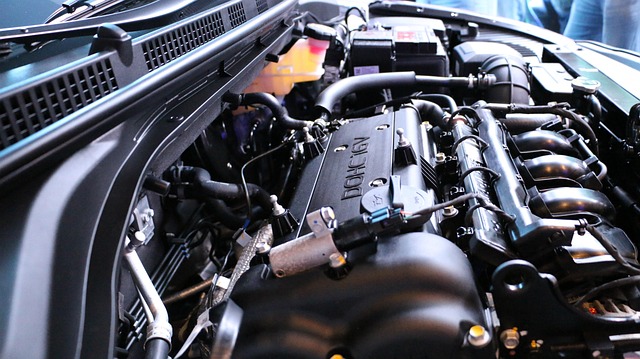
Before you can register your car in California, ensure it meets the state’s stringent safety and environmental standards by preparing for a DMV inspection. One crucial step is verifying your Vehicle Identification Number (VIN) using a reliable method like a mobile VIN verification service or a physical VIN scanner. This process ensures that your vehicle’s details match the information on record with the Department of Motor Vehicles (DMV).
A mobile VIN verifier, whether it’s an app-based service or a portable device, provides convenient and accurate VIN inspection right at your location. These tools cross-reference your VIN against vast databases to deliver instant results, including vehicle history reports, recall information, and certification of authenticity. For instance, some services offer real-time updates on odometer readings and accident history, enabling you to identify potential issues before the inspection.
Should any discrepancies arise during the mobile VIN verification process, address them promptly to avoid delays in registration. Remember, a clean and accurate vehicle history is essential for a smooth DMV inspection. By leveraging technology like mobile VIN verifiers or physical scanners, California car owners can gain peace of mind, knowing they’ve taken proactive steps to ensure compliance with state regulations.
Complete California Car Registration Application Form

Registering a car in California involves several crucial steps, and one of the key components is completing the California Car Registration Application Form accurately. This form, often referred to as the DVW-123 (Department of Motor Vehicles – Vehicle Registration), requires meticulous attention to detail. The process begins with gathering essential documents, including your vehicle’s title, proof of insurance, and identification. Once these are ready, you’ll need to verify your vehicle’s unique identifier – its Vehicle Identification Number (VIN). This is where a DMV VIN verifier or even a mobile VIN verifier can come in handy, ensuring the accuracy of the number before proceeding.
When completing the application form, ensure all information aligns with the data on your VIN inspection documents. This includes the make, model, year, and vehicle identification number (VIN), which must match precisely. A discrepancy may delay the registration process. California’s DMV offers both online and in-person registration options. Online registration is typically faster, allowing you to upload documents and submit the form electronically. Alternatively, you can opt for an in-person visit to a local DMV office, where you’ll need to present your documents and undergo a short inspection of your vehicle.
Practical advice includes double-checking all details before submission. A mobile VIN verification service can aid in this process by providing immediate feedback on any potential errors or inconsistencies. Once your application is approved, you’ll receive your registration documents, which must be kept up to date. Regular renewal ensures you remain compliant with California’s vehicle registration regulations, avoiding penalties and ensuring uninterrupted use of your vehicle.
Submit Fees and Wait for Processing (DMV Vin Verifier Role)

After gathering your required documents, the next step in registering your car in California involves submitting fees and waiting for the DMV Vin Verifier to process your application. This crucial phase ensures that all vehicles on California roads meet safety standards. The DMV Vin Verifier plays a vital role by verifying the Vehicle Identification Number (VIN) through a mobile vin inspection or a mobile vin verifier to confirm the vehicle’s authenticity and history.
Submitting fees is a straightforward process, typically involving a registration fee along with any applicable taxes. These fees vary depending on factors like the type of vehicle and its age. For example, as of recent data, California charges around $50 for most vehicles, with additional fees for specialized plates or older models. It’s essential to include these fees with your application to avoid delays. Once submitted, the DMV Vin Verifier will review your documentation, including any evidence from a mobile vin verification process, to ensure compliance.
During processing, expect a timeline of 7–10 business days. The DMV Vin Verifier, utilizing advanced technology, conducts thorough inspections, often involving mobile vin inspection services, to cross-reference the VIN data with national databases. This meticulous process helps identify any discrepancies or potential issues, ensuring that your vehicle’s history is accurately reflected in California’s records. While waiting, maintain accurate records of all communications and documentation related to your registration to streamline any follow-up processes.
Receive Your Car's Registration Certificate and Tags

Upon completing the registration process at the California Department of Motor Vehicles (DMV), you’ll receive your Car’s Registration Certificate, a crucial document that verifies your vehicle’s legal status. This certificate is more than just paper; it ensures your car complies with state safety and environmental standards. Alongside this, you’ll also acquire license plates, or ‘tags,’ which must be securely attached to your vehicle. These tags serve as a constant reminder of your registration status and are essential for identifying your car during stop-and-go traffic checks.
A notable step in the process involves utilizing a DMV Vin Verifier for accurate and efficient verification. This can often be done through a mobile vin inspection service, allowing you to check your vehicle’s history from the comfort of your home or office. For instance, the California DMV offers an online tool where you can enter your vehicle identification number (VIN) to access detailed information about its past owners, accidents, and maintenance records. It’s advisable to perform this check at least once during ownership to ensure a transparent history.
Should you require further assistance, many third-party services provide mobile vin verification, offering a convenient way to confirm your car’s authenticity before registering. These inspections are beneficial for those purchasing used vehicles, as they can reveal potential red flags or hidden issues that may impact registration. Remember, maintaining accurate records and ensuring proper verification not only facilitates smoother registration but also contributes to California’s overall vehicle safety initiative.
By following these steps—from gathering essential documents to receiving your registration certificate—you’ve now gained a comprehensive understanding of how to register a car in California. The key lies in meticulous preparation, ensuring all required forms are accurately completed, and engaging the DMV Vin Verifier for accurate vehicle inspection. This authoritative guide equips you with the knowledge to navigate the process smoothly, empowering you to securely and legally register your vehicle in the Golden State.