

Looking to register your car in California? This comprehensive guide walks you through every step, from understanding essential requirements to securing your unique vehicle identification number (VIN) using reliable online tools. Gather necessary documents, visit a California Department of Motor Vehicles (DMV) office, and complete the registration process smoothly. Ensure a seamless experience with our expert tips on how to register a car in California efficiently.
- Understand California Car Registration Requirements
- Gather Necessary Documents for Car Registration
- Verify Vehicle Identification Number (VIN) Using Online Tools
- Visit a California Department of Motor Vehicles (DMV) Office
- Complete the Car Registration Process and Receive Your Plate
Understand California Car Registration Requirements

Before registering your car in California, it’s crucial to understand the state’s specific requirements. All vehicles operated on California roads must be properly registered with the California Department of Motor Vehicles (DMV). This process involves more than just filling out paperwork; it includes ensuring your vehicle meets safety and emissions standards, and confirming its unique Vehicle Identification Number (VIN) through a vin inspection or using a mobile vin verifier.
California requires a thorough VIN inspection to verify the authenticity and history of your vehicle. You can conduct this inspection at a certified repair shop or utilize a mobile vin verification service, which allows you to check your car’s VIN status from the convenience of your own home or garage. This step is essential for preventing fraud and ensuring that you’re registering a legitimate vehicle.
Gather Necessary Documents for Car Registration
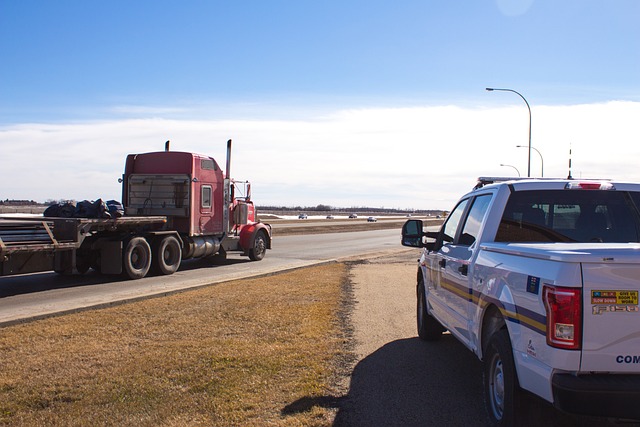
Before heading to the California Department of Motor Vehicles (DMV) or any authorized registration center, ensure you have all the required documents ready. This process is crucial for a smooth car registration experience. You’ll need your vehicle’s Registration Application (Form DVF 140), which can be obtained from the DMV website. Additionally, a valid driver’s license, proof of insurance, and proof of identity are essential. The VIN (Vehicle Identification Number) verifier or scanner is another critical tool; many DMVs now offer mobile VIN verification services, allowing you to complete this step efficiently.
Don’t forget to bring along any other relevant paperwork, such as title documents if applicable, and any fees required for registration and vehicle-related taxes. Having these prepared will save you time and ensure that your car registration goes without a hitch.
Verify Vehicle Identification Number (VIN) Using Online Tools
Before diving into the registration process, it’s crucial to verify your vehicle’s unique identifier—the Vehicle Identification Number (VIN). This 17-character code holds a wealth of information about your car’s history and specifications. Luckily, several online VIN verifier tools are readily available, making this step straightforward. Simply input your VIN into one of these platforms, which will then cross-reference it against vast databases to provide you with detailed insights, including the vehicle’s age, make, model, and even previous ownership details.
By utilizing a mobile vin verification service, you can conveniently conduct this initial check from the comfort of your home or on the go. These apps and websites not only offer accurate and up-to-date information but also streamline the process, saving you time and effort compared to traditional methods. Ensure that the tool you choose is reputable to guarantee reliable results before proceeding with California car registration.
Visit a California Department of Motor Vehicles (DMV) Office

To begin the process of registering your car in California, you’ll need to visit a local Department of Motor Vehicles (DMV) office. These offices are equipped to handle all the necessary paperwork and requirements for vehicle registration. Once there, a DMV representative will guide you through the steps, which include verifying the Vehicle Identification Number (VIN). This critical process ensures the accuracy of your car’s information in the state’s records.
A VIN verifier, whether it’s a mobile vin verification service or a traditional inspection at the DMV, plays a crucial role in preventing fraud and ensuring that only legitimate vehicles are registered. The unique 17-character VIN acts as a fingerprint for your car, providing essential details about its make, model, year, and manufacturing location. By cross-referencing this data with state records, the DMV can confirm the vehicle’s identity before issuing a registration certificate.
Complete the Car Registration Process and Receive Your Plate

After gathering all necessary documents and confirming your vehicle’s eligibility for registration, it’s time to complete the process. This typically involves visiting a California Department of Motor Vehicles (DMV) office or using their online services to submit your application. Ensure you have your Vehicle Identification Number (VIN) verified using a reliable mobile vin verifier or vin inspection tool to guarantee accuracy. This step is crucial as it helps in identifying any issues with the vehicle and ensures a smoother registration process.
Upon submission, you’ll need to present valid identification and proof of insurance. If everything is in order, the DMV will issue your vehicle registration and license plate. In some cases, they might be able to provide you with a temporary plate while waiting for the official one to arrive, typically within a few weeks. Keep your registration documents secure and always carry them with you when driving to avoid any penalties.
Registering your car in California is a straightforward process, but understanding the requirements and gathering the necessary documents is key. By verifying your Vehicle Identification Number (VIN) using online tools, ensuring all paperwork is in order, and visiting a local DMV office, you can complete the registration successfully. Remember to keep your registration updated and always refer to the official California DMV guidelines for accurate information. This efficient process ensures your vehicle is legally registered and ready to hit the bustling California roads.