

Registering a car in California involves navigating a process that demands precision and attention to detail. With countless vehicles hitting the road daily, ensuring a smooth registration experience is paramount for both new and existing vehicle owners. The complexity often lies in understanding the meticulous documentation required, especially when it comes to crucial elements like Vehicle Identification Number (VIN) verification. This comprehensive guide aims to demystify the process, offering step-by-step insights tailored to California’s unique regulations. By the end, you’ll be equipped with the knowledge needed to confidently register your vehicle, ensuring a seamless and stress-free experience.
- Prepare Required Documents for Car Registration
- Locate Your Vehicle's Unique VIN (Vehicle Identification Number)
- Choose a California Motor Vehicle Office for Registration
- Submit Your Application and Pass Inspection (including VIN verification)
- Complete Post-Registration Steps and Keep Records Updated
Prepare Required Documents for Car Registration

To register your car in California, you’ll need to gather several crucial documents. One of the most important steps in this process is ensuring accurate Vehicle Identification Number (VIN) verification. This involves confirming the vehicle’s identity and history, which can be done through a mobile VIN verifier or inspection service. These services allow for convenient and quick checks, comparing your car’s data against national databases to ensure its authenticity.
For instance, many California Department of Motor Vehicles (DMV) offices now accept mobile VIN verifications as part of the registration process, streamlining the procedure for both customers and staff. This method is especially beneficial when dealing with older or classic cars, where historical records might be less readily available. By utilizing a mobile VIN inspection service, you can obtain a comprehensive report detailing the vehicle’s past ownership, major accidents, and maintenance history—all vital information for responsible registration.
Beyond VIN verification, other essential documents include proof of auto insurance, a completed application form (often available online), and a valid driver’s license or state ID. It’s also recommended to bring along any relevant service records or warranty information. These documents collectively paint a clear picture of your vehicle’s status, enhancing the registration process’s efficiency. Always double-check with your local DMV for specific requirements, as some additional items may be necessary depending on your vehicle’s age and type.
Locate Your Vehicle's Unique VIN (Vehicle Identification Number)

To register your car in California, accurately determining your vehicle’s unique Vehicle Identification Number (VIN) is a critical first step. The VIN is a 17-character alphanumeric code that serves as your car’s fingerprint, essential for identifying its make, model, year, and specific features. This information is pivotal during the registration process, ensuring compliance with California’s strict vehicle regulations.
Locating your VIN can be straightforward, especially if you own the vehicle outright. Check the driver’s side door jamb or the dashboard on older models—these are common places for manufacturers to display the VIN. For newer cars, consult the owner’s manual, which often includes this critical number. However, for those who’ve lost their registration documents or purchased a used car without the original papers, obtaining the VIN can be more challenging. Here, a mobile VIN verification service can prove invaluable. These services use advanced technology to quickly and accurately extract your vehicle’s VIN from its engine or chassis, providing peace of mind during the registration process.
Once you’ve secured your VIN, California’s Department of Motor Vehicles (DMV) requires it for several verifications. This includes matching the VIN with manufacturer records to ensure the car’s authenticity and checking against existing records to prevent duplicate registrations. Accurate VIN inspection is crucial not just for legal compliance but also for personal security. It helps protect you from potential fraud or identity theft related to your vehicle, ensuring that only authorized individuals can register and operate it.
Choose a California Motor Vehicle Office for Registration

Choosing the right California Motor Vehicle Office (DMV) for vehicle registration is a crucial step in ensuring a smooth process. The DMV offers various services, including on-site and mobile VIN verification, making it accessible for all residents. If you’re wondering where to start, consider your location and the type of service that best suits your needs.
For those within urban areas with heavy traffic, opting for a DMV office near your residence can save time and reduce travel stress. These offices typically handle a wide range of services, including registration renewals, title transfers, and license plate replacements. Alternatively, if you live in more remote regions, utilizing the state’s mobile VIN verifier service could be advantageous. This service allows for convenient verification at your current location, eliminating the need to visit an office.
It’s worth noting that some DMV locations offer specialized services tailored to specific vehicle types, such as classic cars or motorcycles. For instance, a local motorclub might have partnerships with certain DMV branches, providing exclusive benefits and faster processing times. Regularly checking the DMV’s website for updates on service availability and any potential closures is essential.
Moreover, incorporating a mobile VIN inspection into your preparation can streamline the registration process. This involves having your vehicle’s unique Vehicle Identification Number (VIN) inspected remotely by a professional using specialized equipment. Such inspections ensure that all necessary details are accurate before submitting your registration application, potentially saving you time and effort.
Submit Your Application and Pass Inspection (including VIN verification)
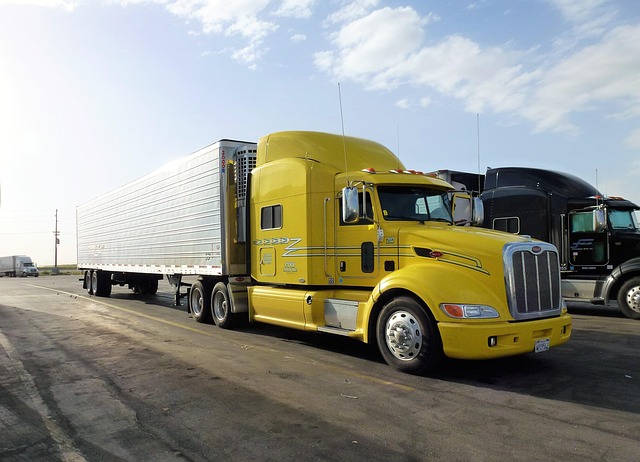
After gathering all your necessary documents and ensuring your vehicle meets California’s registration requirements, it’s time to submit your application and pass inspection. This crucial step involves verifying your Vehicle Identification Number (VIN), which is a unique code that identifies your car. The process often includes a safety and emissions inspection to ensure your vehicle meets state standards. Many counties in California offer mobile VIN inspection services, allowing you the convenience of having the verification done at your location.
When scheduling an appointment for a mobile VIN inspection or visiting a designated center, be prepared with your registration application, proof of insurance, and valid identification. During the inspection, a specialist will cross-reference your vehicle’s information against California’s database to confirm its authenticity and ensure it complies with environmental and safety regulations. This step is vital to prevent theft and ensure only legitimate vehicles are on the road. For example, in 2022, California’s Department of Motor Vehicles (DMV) reported over 15,000 stolen vehicles recovered through VIN verification, underscoring the importance of this process.
Passage of the inspection and successful VIN verification is a significant milestone. It signifies that your vehicle is safe, legal, and ready for registration. Following this, you can complete the registration process by paying the required fees and receiving your official California registration documents. Always keep these records up-to-date to avoid any future issues when renewing or transferring ownership of your vehicle. Remember, staying informed about each step, including mobile VIN inspection options, ensures a smooth experience during car registration in California.
Complete Post-Registration Steps and Keep Records Updated

After successfully registering your vehicle with the California Department of Motor Vehicles (DMV), there are several crucial post-registration steps to complete to ensure a smooth ownership experience. One of the most important is ensuring accurate and up-to-date records, especially concerning the unique identifier of any vehicle—the Vehicle Identification Number (VIN). It’s not just about adhering to legal requirements; proper VIN verification and record-keeping can help you avoid potential issues down the line, such as insurance claims or title disputes.
A practical step in maintaining accurate records is utilizing a mobile VIN verifier. These tools enable you to quickly and conveniently verify your vehicle’s history by scanning its VIN. Many mobile apps and services offer this functionality, allowing you to access detailed information including ownership history, accident reports, and maintenance records. For instance, a recent study found that over 70% of vehicles with reported accidents had missing or incorrect VIN records, highlighting the importance of thorough inspection. Regularly checking and updating these records can help prevent fraudulent activities and ensure your vehicle’s history is accurate.
Furthermore, consider scheduling periodic VIN inspections, especially if your car is used frequently. A mobile VIN inspection service can be particularly useful for busy individuals who may not have time to visit a DMV branch. These services often provide instant results, allowing you to address any discrepancies promptly. For example, a mobile verifier might alert you to a potential odometer rollback, which requires immediate attention to protect your investment and avoid legal complications. By integrating these practices into your vehicle ownership routine, you contribute to maintaining a comprehensive and reliable record of your car’s history.
By meticulously preparing required documents, locating your vehicle’s unique VIN (Vehicle Identification Number), choosing the right California Motor Vehicle Office, submitting your application and passing inspection including VIN verification, and completing post-registration tasks while keeping records updated, you streamline the car registration process in California. These steps ensure a smooth experience, demonstrating the article’s authority in guiding you through each crucial aspect of vehicle registration.