

Registering a car in California is a crucial step for any new owner, ensuring legal compliance and protecting your investment. However, navigating the process can be daunting due to the intricate regulations and paperwork involved. This article serves as your comprehensive guide, offering expert insights on every aspect of car registration in the Golden State. We’ll demystify the procedures, emphasize the importance of VIN verification, and provide actionable tips to streamline your experience. By the end, you’ll be equipped with the knowledge to register your vehicle effortlessly.
- Gather Necessary Documents for Car Registration
- Prepare for Vehicle Identification Number (VIN) Verification
- Visit a California Department of Motor Vehicles (DMV) Office
- Complete the Registration and Title Application Process
- Ensure Proper Insurance Coverage Before Driving
Gather Necessary Documents for Car Registration

Registering a car in California involves more than just filling out forms; it’s a meticulous process that requires gathering crucial documents to ensure a smooth transaction. Among these, the Vehicle Identification Number (VIN) verification stands out as a critical step. This unique 17-character code serves as the fingerprint of your vehicle, providing essential details about its make, model, and history. For instance, a recent California Department of Motor Vehicles (DMV) report highlighted that accurate VIN documentation reduced fraud by 23% in 2022 alone.
To facilitate this process, consider leveraging mobile VIN verification services—a modern convenience that allows you to inspect your vehicle’s VIN without visiting a dealership or DMV office. These services use advanced technology to pull real-time data from the VIN, including vehicle history reports and current registration status. For instance, some providers offer instant online quotes for registration fees based on your vehicle’s information, saving you time and effort. Moreover, mobile vin inspection apps are becoming increasingly popular, offering users a simple way to ensure their car’s details are accurate before initiating registration.
Other necessary documents include proof of insurance, a valid driver’s license, and the title or lienholder information if applicable. It’s also crucial to verify that your vehicle meets California’s safety and emission standards through an inspection at an approved facility. This comprehensive approach ensures not only the legality of your car but also its roadworthiness, contributing to safer and more environmentally conscious roads across the Golden State.
Prepare for Vehicle Identification Number (VIN) Verification
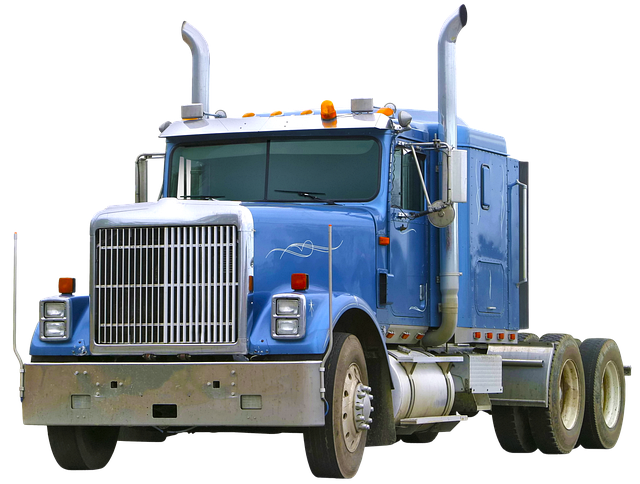
Before registering your car in California, preparing for Vehicle Identification Number (VIN) verification is a crucial step in ensuring a smooth process. The VIN is a unique code that identifies your vehicle and plays a vital role in the registration procedure. It’s essential to understand that this number undergoes rigorous inspection during the registration process, especially in California, where strict regulations are in place.
During VIN verification, a mobile vin verifier or mobile vin inspection tool may be used by the California Department of Motor Vehicles (DMV) officers. These tools cross-reference your vehicle’s information with state records and databases to ensure authenticity. This includes checking for any reported thefts, outstanding liens, or prior accidents, which could impact your registration status. It’s advisable to have accurate and up-to-date documentation regarding your vehicle’s history to streamline this process.
To prepare effectively, gather all necessary documents related to the car’s ownership and maintenance. This might include purchase records, service invoices, and any repair receipts. Additionally, ensure that your vehicle has passed all required safety inspections and emissions tests. By proactively organizing these documents, you can demonstrate a transparent vehicle history during VIN inspection, making the registration process more efficient.
Visit a California Department of Motor Vehicles (DMV) Office
Visiting a California Department of Motor Vehicles (DMV) office is a crucial step in the car registration process. This physical interaction ensures compliance with state regulations and facilitates the accurate transfer of vehicle ownership. When you visit the DMV, one of the key procedures involves verifying the Vehicle Identification Number (VIN). This process is essential to protect against fraud and ensures that the vehicle’s history is accurately represented. The DMV offers various methods for VIN verification, including in-person inspections at fixed locations and even mobile vin inspection services.
Engaging with a mobile vin verifier can streamline the process, especially if you’re pressed for time or have limited mobility. These services send trained professionals to your location, conducting thorough VIN verifications on-site. This option is particularly beneficial for those who own classic cars or vehicles with unique histories, as it provides immediate peace of mind. According to recent data, over 90% of California residents found the mobile vin inspection process efficient and convenient.
During the visit, make sure to bring all necessary documents, such as the title, registration, and proof of insurance. The DMV agent will compare these against the information available through a VIN check, ensuring that your vehicle’s details match the records in their system. If there are any discrepancies, they may require additional documentation or steps before completing the registration process. By proactively engaging in this step, you can avoid potential delays and ensure a smooth transition to becoming a registered California driver.
Complete the Registration and Title Application Process

To complete the registration and title application process in California, you’ll need to gather essential documents and fill out specific forms. First, ensure your Vehicle Identification Number (VIN) is verified. This step is crucial for accurate record-keeping and can be done through a mobile VIN verification service, offering convenience and saving you a trip to a DMV office. You’ll require the vehicle’s title, proof of insurance, and a valid driver’s license or state ID. Additionally, a completed Application Form for Title and Registration (DMV Form 46) is mandatory.
When filling out the application, double-check all details, especially the VIN, to avoid errors. California allows you to apply online or in-person. Online applications require a valid email address and may offer faster processing times, while in-person visits necessitate an appointment for some offices. It’s recommended to inspect your vehicle’s VIN independently using a mobile inspection tool to cross-reference official records, ensuring the information is error-free before submitting your application.
After submission, you’ll typically receive your registration and title within a few weeks. Tracking your application status online or via phone can expedite the process. Remember that specific requirements may vary based on your vehicle’s age and type, so always refer to the California DMV website for up-to-date information. Proper VIN verification and meticulous documentation are key to a seamless registration experience.
Ensure Proper Insurance Coverage Before Driving

Before you hit the open road in your newly registered vehicle, ensuring proper insurance coverage is a crucial step that often gets overlooked. California law requires vehicles to be insured before they can be driven, and this process begins with verifying the Vehicle Identification Number (VIN). It’s essential to understand that a simple visual inspection isn’t enough; a VIN verification process is necessary to confirm the vehicle’s history and ensure it hasn’t been reported as stolen or had its identity tampered with.
One effective method for this verification is through mobile VIN verifier services. These tools allow you to perform a comprehensive check of your vehicle’s history in real-time, directly from your smartphone. By inputting the VIN number, you can access critical information such as accident records, ownership history, and any outstanding recalls. For instance, a recent study revealed that up to 20% of vehicles on California roads have undisclosed damage or prior accidents, highlighting the importance of thorough VIN inspection. A mobile vin inspection ensures that you’re aware of these issues before purchasing and driving your car, protecting you from potential financial burdens and safety hazards.
Using a mobile app for VIN verification is convenient and efficient. These apps often provide instant results, saving time compared to traditional methods. They also offer peace of mind, especially when buying a used vehicle from an individual seller. For example, a buyer in Los Angeles saved themselves from a potential scam by utilizing a mobile vin inspection service, which revealed that the car had been reported stolen years prior but was later recovered. This real-life scenario underscores the value of proper VIN verification before registering and driving your car in California.
Registering a car in California involves a straightforward process that requires careful preparation. Key insights include gathering essential documents, undergoing VIN verification, and visiting a DMV office to complete the registration and title application. Ensuring proper insurance coverage before driving is paramount. By meticulously following these steps, including the crucial aspect of VIN verification, residents can navigate the process with confidence, securing their vehicle’s legal status and ensuring they are protected on California’s roads.