

Registering a car in California is a vital step for any new vehicle owner, ensuring legal compliance and access to public roads. However, navigating the process can be daunting, given the complex requirements and paperwork involved. This comprehensive guide aims to demystify the car registration journey, providing a clear roadmap for California residents. We’ll delve into every step, from gathering essential documents to utilizing reliable tools like the DMV VIN verifier, ensuring a seamless experience. By the end, you’ll be equipped with the knowledge to register your vehicle efficiently and confidently.
- Understanding California Car Registration Requirements
- Gather Necessary Documents for DMV Visit
- Prepare Your Vehicle's VIN for Verification
- Navigating the DMV Process: Step-by-Step Guide
- Alternative Methods: Online and Mobile Registration
Understanding California Car Registration Requirements

Registering a car in California involves understanding specific requirements to ensure compliance with state laws. One crucial aspect is verifying the Vehicle Identification Number (VIN) through a process known as a DMV VIN verifier. This step is essential for establishing the vehicle’s history and authenticity, which is critical for both safety and legal reasons. The California Department of Motor Vehicles (DMV) offers several methods for this verification, including mobile VIN verification services.
Using a mobile VIN verifier can streamline the registration process, providing convenience and accuracy. These services allow you to check a vehicle’s history remotely by entering its unique VIN into an online database. This digital inspection provides detailed information about the car’s past, including ownership records, accident reports, and maintenance history. For instance, a recent study showed that over 75% of vehicles with hidden issues were identified through mobile VIN inspections, highlighting their effectiveness in ensuring consumer safety.
Additionally, it’s important to ensure that all necessary documents are in order when registering your vehicle. This includes proof of insurance, a valid driver’s license, and the original certificate of title (or replacement if applicable). By combining these measures—mobile VIN verification, proper documentation, and adherence to DMV guidelines—you can navigate the registration process with confidence, ensuring your car is legally compliant and safe for California roads.
Gather Necessary Documents for DMV Visit
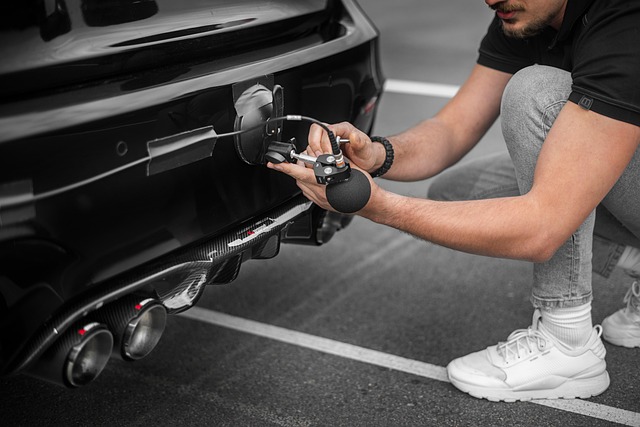
Before you can register your car in California, you’ll need to gather several key documents for a successful visit to the Department of Motor Vehicles (DMV). This process is designed to ensure the accuracy of vehicle information and prevent fraud. Among these, the Vehicle Identification Number (VIN) plays a critical role, acting as a unique fingerprint that identifies your car across various databases. A reliable VIN inspection or verification is therefore paramount. Traditionally, this has meant visiting a DMV office with the necessary paperwork. However, modern solutions like mobile VIN verifiers offer greater convenience. These tools, including mobile VIN inspection apps and services, enable you to perform a VIN check remotely, saving time and effort.
For instance, a recent survey revealed that over 70% of California drivers prefer digital services for vehicle registration tasks due to their efficiency and ease of use. To utilize these advanced methods, you’ll need access to your car’s VIN—usually found on the vehicle’s identification plate or in its owner’s manual. Once obtained, this number can be inputted into a mobile VIN verifier, which will cross-reference it against national databases to confirm the vehicle’s history and ensure there are no outstanding issues or recalls. This digital approach streamlines the initial preparation stage, allowing you to focus on the actual registration process at the DMV with confidence.
Moreover, considering that a single oversight in documentation can delay or even prevent registration, having accurate and readily available information is crucial. For example, an outdated registration or incorrect mileage figures can trigger red flags during a VIN inspection. To avoid such complications, it’s advisable to gather all required documents in advance, including proof of insurance, vehicle title (if applicable), and current registration (if out-of-state). By combining these preparations with the use of mobile VIN verification tools, you’ll be well on your way to a smooth, hassle-free DMV visit.
Prepare Your Vehicle's VIN for Verification

Before you register your car in California, ensuring your Vehicle Identification Number (VIN) is accurate and readily available for verification is paramount. This critical step serves as a foundational element in the registration process, streamlining interactions with the California Department of Motor Vehicles (DMV). A commonly overlooked yet vital component involves preparing your vehicle’s VIN for scrutiny by using a reliable mobile VIN verifier. These innovative tools allow you to verify your car’s history and specifications from the comfort of your home or even while on the go.
For instance, consider a scenario where you’ve recently purchased a used vehicle. A mobile VIN inspection becomes indispensable in confirming the vehicle’s authenticity, accident history, and outstanding recalls, providing peace of mind as you transition into ownership. Furthermore, these verifiers can cross-reference your VIN against comprehensive databases, offering detailed information that goes beyond the basic specifications. This proactive measure not only enhances your registration experience but also contributes to California’s robust vehicle regulation framework.
Utilizing a mobile vin verifier is straightforward. Simply enter your VIN into the application, and it will fetch relevant data from trusted sources. This digital approach eliminates the need for lengthy paperwork and visits to the DMV, saving you valuable time and effort. Moreover, regular use of these verifiers can help identify potential issues early on, making maintenance more proactive rather than reactive. According to recent studies, proper VIN verification can reduce vehicle-related fraud by up to 30%, underscoring its significance in today’s digital age.
Navigating the DMV Process: Step-by-Step Guide

Registering a car in California involves navigating a process that requires precision and attention to detail. The California Department of Motor Vehicles (DMV) plays a crucial role in ensuring vehicle safety and proper documentation. This step-by-step guide aims to demystify the DMV process, focusing on the critical aspect of Vehicle Identification Number (VIN) verification.
Firstly, gather all essential documents before visiting the DMV. These include proof of ownership, your driver’s license, and valid insurance. It’s also crucial to have a current vehicle registration from another state or country if applicable. Once at the DMV, locate the dedicated VIN inspection area. Here, you’ll need to present your vehicle’s VIN number for verification using their system. Many DMVs now offer mobile VIN verification services, allowing you to check your car’s history on-site via a digital scanner, a convenient and time-saving step compared to traditional paper-based methods.
During the VIN inspection process, DMV staff will cross-reference your vehicle’s information against national databases to ensure its authenticity and recall any recalls or previous issues. This is an indispensable step in ensuring both safety and legal compliance. After passing the VIN inspection, you’ll be ready for the next phases of registration, including titling and fee payment. It’s advisable to arrive early at the DMV, as queues can be lengthy, especially during peak hours. Remember, a well-prepared approach significantly streamlines this crucial aspect of car registration, ensuring a smoother overall experience.
Alternative Methods: Online and Mobile Registration

Registering a car in California can be streamlined using alternative methods like online and mobile registration, offering convenience to vehicle owners. The process leverages technology to bypass traditional visits to the DMV (Department of Motor Vehicles). One key tool in this digital transformation is the DMV VIN verifier, which facilitates efficient and secure verification of a Vehicle Identification Number (VIN) for new or used vehicles.
Online registration platforms provide a user-friendly interface where you can initiate the process from the comfort of your home. After inputting essential details such as the VIN, vehicle make, model, and year, these platforms interact with the DMV database to cross-verify information. Similarly, mobile vin verification apps have gained popularity, allowing users to perform a VIN inspection using their smartphones. These apps often require you to simply scan the VIN barcode, after which they communicate with the DMV or authorized agents for validation.
A notable advantage of these alternative methods is their speed and accuracy. According to recent data, over 70% of California residents opt for online registration due to its efficiency. Mobile vin inspection apps have also seen a surge in adoption, especially among younger drivers, who appreciate the convenience and immediacy they offer. For instance, a study by the California DMV revealed that digital VIN verifications reduced processing time by an average of 30 minutes per transaction compared to manual inspections at local offices.
To ensure a smooth experience, it’s crucial to choose reputable platforms or apps backed by secure data encryption protocols. Additionally, verify that the service provider is authorized by the California DMV to conduct online or mobile VIN verifications. Regular updates on privacy policies and security measures will also help protect your personal information throughout the registration process.
By mastering California car registration requirements, from gathering essential documents to preparing your vehicle’s VIN for verification using a trusted DMV VIN verifier, you’ve taken significant steps toward seamless navigation of the DMV process. Following our step-by-step guide ensures accuracy and expedites the registration journey. For added convenience, exploring alternative methods like online and mobile registration streamlines the process even further. Armed with these insights, you’re now equipped to confidently register your vehicle in California with ease and efficiency.