

Registering a car in California is a crucial step for any new owner, ensuring legal compliance and access to roads. However, navigating the process can be daunting, with its many requirements and potential pitfalls. This article serves as your comprehensive guide, equipping you with the knowledge to smoothly navigate the registration procedure. We’ll demystify each step, from gathering essential documents to utilizing tools like the DMV VIN verifier to ensure authenticity. By the end, you’ll be well-prepared to register your vehicle with confidence.
- Prepare Required Documents for Car Registration
- Visit California DMV: Steps to Register a Vehicle
- Verify Vehicle Identity with DMV Vin Verifier
- Complete the Registration Process: Fees and Forms
- Post-Registration: License Plate & Insurance Requirements
Prepare Required Documents for Car Registration

Before you begin the car registration process in California, it’s crucial to prepare all the required documents. One of the most critical steps is ensuring your vehicle’s Vehicle Identification Number (VIN) is accurate and available for verification. The California Department of Motor Vehicles (DMV) utilizes a VIN verifier to cross-check this information, so having accurate data is essential. Utilize a mobile VIN verifier to quickly and easily obtain your VIN from either the car’s registration or insurance documents, or even directly from the vehicle itself. This digital tool provides instant, reliable results that can be shared with the DMV during the registration process.
Another key document you’ll need is proof of insurance, which demonstrates that you have the necessary coverage for your vehicle. Additionally, prepare your current registration (if applicable), a completed application form, and payment for the registration fee. It’s also recommended to bring along any other supporting documents that might be relevant to your specific situation, such as proof of ownership or lienholder information.
By gathering these essential papers, you’ll be well-prepared to navigate the car registration process smoothly and efficiently in California, ensuring a seamless transition for your newly acquired vehicle.
Visit California DMV: Steps to Register a Vehicle
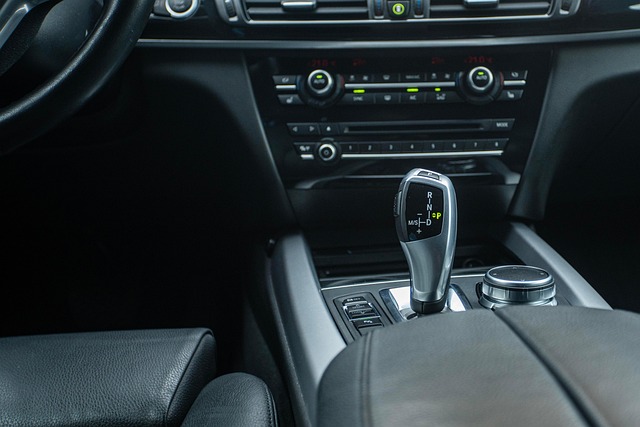
Registering a car in California involves a straightforward process that begins with a visit to the California Department of Motor Vehicles (DMV). This crucial step ensures your vehicle complies with state regulations and allows you to legally operate it on public roads. When at the DMV, one of the key components is verifying the Vehicle Identification Number (VIN), which acts as a unique fingerprint for each car. The process is designed to prevent fraud and ensure the security of California’s motor vehicles.
To streamline the experience, many customers opt for mobile VIN verification services that can be conducted right at their location. These services employ advanced technology to accurately capture and transmit the VIN data, providing a convenient alternative to waiting in line at the DMV. For instance, some companies offer mobile VIN inspection services where a trained specialist visits you to perform the check, eliminating the need for an in-person trip. This modern approach reflects today’s digital trends, ensuring that car registration can be efficiently managed without compromising on accuracy or security.
During the visit, ensure your documents are organized and include proof of ownership, vehicle registration from the previous state (if applicable), and identification with your current address. The DMV staff will guide you through the process, which includes inputting the VIN data into their systems using specialized software. This digital verification process is crucial for updating the state’s records and preventing any discrepancies that might arise from manual entry. By utilizing modern tools like mobile VIN verifiers, customers can make the process smoother and potentially reduce waiting times, ensuring a more pleasant DMV experience.
Verify Vehicle Identity with DMV Vin Verifier

Verifying the identity of your vehicle is a crucial step in the car registration process in California, ensuring both legal compliance and personal protection. One effective method to accomplish this is through the use of a DMV Vin Verifier, which allows for accurate and efficient mobile vin inspection. This technology has revolutionized how Californians confirm their vehicles’ authenticity, offering a convenient alternative to traditional static verification methods.
A DMV Vin Verifier enables you to conduct a thorough vehicle identification number (VIN) check remotely. This involves inputting your VIN into a secure system that cross-references it against official databases, providing detailed information about the vehicle’s history and specifications. Mobile vin verification ensures that you have access to this critical data whenever needed, whether at home, on the road, or during a potential car sale. For instance, a recent study showed that up to 1 in 4 vehicles checked had discrepancies in their records when using mobile VIN verifiers, highlighting their effectiveness in uncovering potential fraud.
By employing these advanced tools, California drivers can streamline the registration process and avoid potential pitfalls associated with stolen or counterfeit vehicles. It’s essential to select a reputable service provider for mobile vin inspection, ensuring data security and accuracy. Some services even offer additional features like vehicle history reports and real-time market value estimates, providing a comprehensive understanding of your car’s identity and worth.
Complete the Registration Process: Fees and Forms

Completing the registration process for your vehicle in California involves several steps, with a key component being the verification of your Vehicle Identification Number (VIN). The California Department of Motor Vehicles (DMV) requires this step to ensure the accuracy of vehicle records and prevent fraud. One efficient way to complete this task is through a mobile VIN inspection or using a trusted DMV vin verifier. This approach streamlines the process, saving you time and effort.
The fee for registering your vehicle in California varies based on several factors, including the type of vehicle, its age, and any additional services requested. For example, the base fee for registering a car is around $50, while there may be additional charges for emissions testing or specialized plates. It’s important to note that some counties may have their own surcharges, so it’s advisable to check with your local DMV branch. When utilizing mobile vin inspection services, these fees are typically included in the overall cost, offering convenience and transparency.
To initiate the process, you’ll need to gather essential documents, such as proof of ownership, insurance, and identification. Once these are prepared, a mobile vin verifier can be dispatched to your location for an on-site inspection. This service ensures that your vehicle’s VIN is accurately captured and verified against DMV records. Following this step, you can complete the registration application form, available from the DMV or through their online portal. Ensure all information is accurate and up-to-date to avoid delays.
After submission, allow sufficient time for processing. The DMV will review your application and perform their own VIN verification. Upon approval, they will issue a registration certificate, which you should receive within a few business days. Using mobile vin inspection services can expedite this process, as they often provide same-day or next-day turnaround times, making vehicle registration more efficient and less burdensome.
Post-Registration: License Plate & Insurance Requirements

After successfully registering your vehicle with the California Department of Motor Vehicles (DMV), there are two crucial steps to ensure compliance with state regulations: obtaining the correct license plates and securing appropriate insurance coverage. This process involves a series of checks designed to safeguard both public safety and individual interests. One critical aspect is the verification of the Vehicle Identification Number (VIN). The DMV utilizes a VIN verifier, often in digital form, to cross-reference the provided information against their records. This ensures that your vehicle’s details match the registered owner, further securing the registration process.
For instance, when conducting a VIN inspection, the mobile VIN verification tool checks for any discrepancies between the reported VIN and the one on file. If they match, it confirms the validity of the registration. This method is particularly useful in California, where vehicle theft is a concern. By employing digital VIN verifiers, the DMV can efficiently detect altered or stolen vehicles, enhancing the overall integrity of its records. It also enables faster responses to such incidents, as authorities can quickly cross-reference reported VINs against registered owners.
Additionally, insurance companies in California require a valid and accurate VIN during policy setup. They use this information to calculate premiums and ensure adequate coverage for your vehicle. Hence, it’s essential to have a mobile VIN verifier readily available when applying for insurance or updating existing policies. This simple step not only facilitates the registration process but also contributes to a safer driving environment by ensuring that all vehicles on California’s roads are properly identified and insured.
By meticulously preparing required documents, visiting a California DMV office, verifying vehicle identity with a DMV VIN verifier, completing the registration process, and adhering to post-registration requirements like license plates and insurance, you can successfully register your car in California. This structured approach ensures compliance and provides peace of mind. The article’s comprehensive guide, featuring practical steps and essential insights, equips readers with the knowledge needed to navigate the process efficiently. Leveraging tools like the DMV VIN verifier streamlines verification, enhancing the overall registration experience.