

Registering a car in California is a vital process for any vehicle owner, ensuring legal compliance and facilitating smooth operations on the state’s roads. However, navigating the registration procedures can be a complex task, often shrouded in confusion and misinformation. This article serves as your authoritative guide, demystifying every step of the process. We’ll walk you through the requirements, from gathering essential documents to understanding fees, and even emphasize the critical role of VIN verification in ensuring the authenticity of your vehicle’s identity. By the end, you’ll be equipped with the knowledge needed to register your car confidently and efficiently.
- Prepare Necessary Documents for Car Registration
- Understand California's Vehicle Identification Number (VIN) Verification Process
- Gather Information from Your Car's Manufacturer or Dealership
- Complete the California Motor Vehicle Registration Application
- Submit Fees and Receive Your Vehicle's Registration Papers
Prepare Necessary Documents for Car Registration

Registering a car in California involves several crucial steps, and preparing the necessary documents is a critical phase. Before you begin the registration process, ensure you gather all essential paperwork to streamline the procedure and avoid potential delays. The primary document you’ll need is the Vehicle Identification Number (VIN) verification report, which serves as proof of ownership and vehicle specifications. This process can be facilitated through a mobile VIN inspection service, allowing for added convenience.
A typical list includes items such as your valid driver’s license, proof of insurance, and the title or bill of sale of the vehicle. For out-of-state transfers, an additional document, like a clean driving record from the previous state, might be required. It is also essential to have the vehicle’s current registration (if applicable) from the previous jurisdiction. Utilizing a mobile VIN verifier can aid in ensuring the vehicle’s history and identifying any potential red flags, making this step both efficient and thorough.
Moreover, for classic cars or vehicles with unique historical significance, you may need additional documentation from specialized organizations or historical registries. These documents verify the vehicle’s authenticity and can expedite the registration process. Always check with the California Department of Motor Vehicles (DMV) for specific requirements, as guidelines can evolve. Properly prepared documents not only simplify the car registration process but also ensure your vehicle is legally recognized on California’s roads.
Understand California's Vehicle Identification Number (VIN) Verification Process
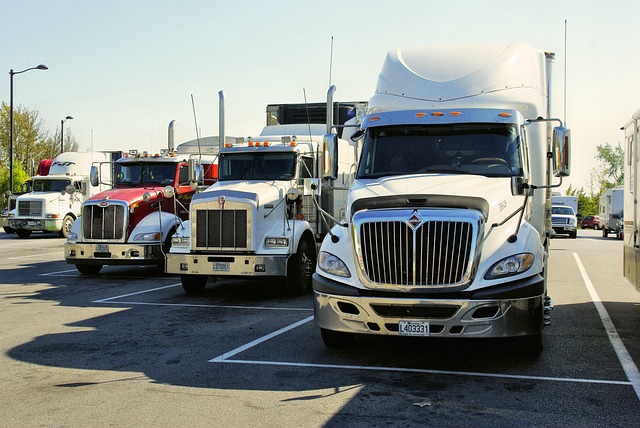
California’s Vehicle Identification Number (VIN) verification process is a critical step in registering your car. This rigorous procedure ensures that all vehicles on California roads meet safety and environmental standards. During VIN verification, a qualified inspector examines the vehicle’s unique 17-character VIN to cross-reference it with data from manufacturer records, ensuring authenticity and compliance.
One key aspect often sought by drivers is the availability of mobile VIN inspection services, also known as mobile VIN verification. These services allow owners to get their vehicles inspected at a convenient location—whether at home, work, or even during a road trip—by a trained professional using specialized equipment. This option, while not mandatory, can streamline the registration process and save time for residents who may face long lines at traditional inspection stations. Data indicates that mobile VIN inspections have become increasingly popular in California, reflecting a growing demand for efficient, accessible vehicle verification.
To ensure a smooth VIN verification process, it’s crucial to understand what constitutes a valid inspection. For instance, the inspector will check the vehicle’s odometer reading against the recorded mileage in the VIN data. They’ll also inspect for any signs of tampering or alterations that could affect the vehicle’s safety and environmental performance. If you opt for a mobile service, ensure the provider is reputable and certified to perform official VIN inspections. This step guarantees that your verification is accurate and accepted by the California Department of Motor Vehicles (DMV). Remember, proper VIN verification not only facilitates car registration but also plays a vital role in maintaining a safe and environmentally responsible fleet on California’s roads.
Gather Information from Your Car's Manufacturer or Dealership

Before registering your car in California, gathering accurate information from your vehicle’s manufacturer or dealership is a crucial step. This includes your Vehicle Identification Number (VIN), which serves as a unique fingerprint for your car and is essential for registration and insurance purposes. Many manufacturers now offer online platforms where you can input your VIN to access detailed specifications, warranty information, and even historical maintenance records. These tools not only provide peace of mind but also ensure that all data associated with your vehicle is correct and up-to-date.
For instance, if you’ve recently purchased a new car from a dealership, they should provide you with a comprehensive packet including the VIN, vehicle history report, and other necessary documents. In California, where strict regulations are in place to prevent fraud, accurate VIN verification is paramount. This is where mobile VIN verifiers can be particularly useful. These services allow for on-site, real-time VIN inspection by a certified professional, ensuring that your car’s details match the registered information. Some dealerships even offer this service as part of their post-purchase support to make the registration process smoother.
If you’re buying a used car, independent mobile VIN inspectors can be a valuable resource. These professionals use advanced technology to perform a thorough VIN inspection, checking for any discrepancies between the vehicle’s reported history and its actual condition. Data from such inspections has shown that up to 1 in every 5 vehicles may have some form of odometer rollback or undisclosed damage, making a professional VIN inspection crucial. By ensuring your VIN is verified and accurate, you protect yourself against potential issues and ensure a seamless registration process.
Complete the California Motor Vehicle Registration Application

To register your car in California, you’ll need to complete the California Motor Vehicle Registration Application, a process that requires meticulous attention to detail. This application is a crucial step in ensuring your vehicle complies with state regulations and facilitates smooth road usage. Begin by gathering essential documents, including your vehicle’s Certificate of Title (if applicable), proof of insurance, and valid identification. The Vehicle Identification Number (VIN) plays a pivotal role here; accurate VIN verification is mandatory for registration. Consider using a mobile VIN verifier to ensure the number is correct before proceeding.
The application form will demand precise information about your car, such as make, model, year, and specific features. Inaccurate details can lead to delays or even rejection, so double-check every entry. California offers both online and in-person registration options; however, for added convenience and speed, many residents opt for mobile VIN inspection services. These services allow you to verify your vehicle’s identity quickly by checking the VIN against state databases. Once your application is complete and all verifications are in order, submit it along with the required fees to the California Department of Motor Vehicles (DMV).
After processing, you’ll receive your registration card and license plates, marking the successful conclusion of your car registration journey. Remember, proper documentation and accurate information are key to a seamless process. Should any discrepancies arise during VIN inspection or subsequent DMV interactions, address them promptly to avoid unnecessary delays in enjoying your registered vehicle on California’s roads.
Submit Fees and Receive Your Vehicle's Registration Papers
After ensuring your car meets all necessary safety standards and completing the registration application process, it’s time to submit the fees and receive your vehicle’s registration papers. In California, this involves several key steps. First, you’ll need to pay the base registration fee along with any applicable emissions or weight-based charges. These fees vary based on factors like the type of vehicle, its age, and emission standards, so it’s crucial to consult the official California Department of Motor Vehicles (DMV) guide for accurate figures.
Once your payment is processed, you’ll be issued a temporary registration permit. This document serves as proof of registration until your permanent registration papers arrive. In some cases, especially with modern technology aiming to streamline processes, you might receive these documents digitally via email or mail. However, if you prefer hard copies, you can also request them from the DMV. A significant convenience for many California residents is the availability of mobile VIN inspection and verification services. These services allow you to complete the VIN verification process remotely, enhancing efficiency and providing another layer of convenience during registration.
When your permanent registration papers arrive, make sure to review them carefully. They will include crucial information about your vehicle, such as its unique Vehicle Identification Number (VIN), which is used for tracking purposes and is essential in case of future transactions or if you need to insure your car. Ensure all details are accurate before storing these documents securely. Remember that proper record-keeping is vital, especially when it comes to something as important as vehicle registration.
Registering a car in California involves a systematic approach, ensuring all necessary documents are prepared, and critical processes like VIN verification are accurately navigated. Key takeaways include gathering essential paperwork, understanding the unique VIN verification process specific to California, and completing the registration application diligently. Furthermore, recognizing the importance of dealer or manufacturer information ensures a smooth registration experience. By adhering to these steps, individuals can efficiently navigate the car registration process, underscoring the article’s authority in providing clear, actionable insights for a successful registration journey.